
Insulation removal
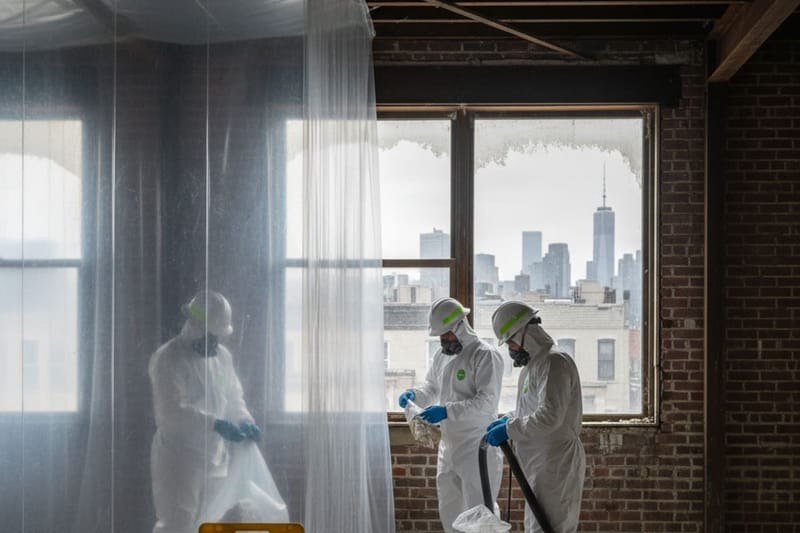
Old insulation comes out contained and bagged, not shaken loose through the rest of the building.

When people call us about insulation removal
- Insulation is wet, compacted or contaminated and is being replaced
- There is a rodent or moisture problem in a roof space or crawl
- A retrofit needs the cavity or roof space cleared before new material goes in
- Old pipe lagging is deteriorating and nobody knows what it is
What insulation removal covers
- Attic and roof space batts and loose-fill
- Wall cavity material where the finish is already open
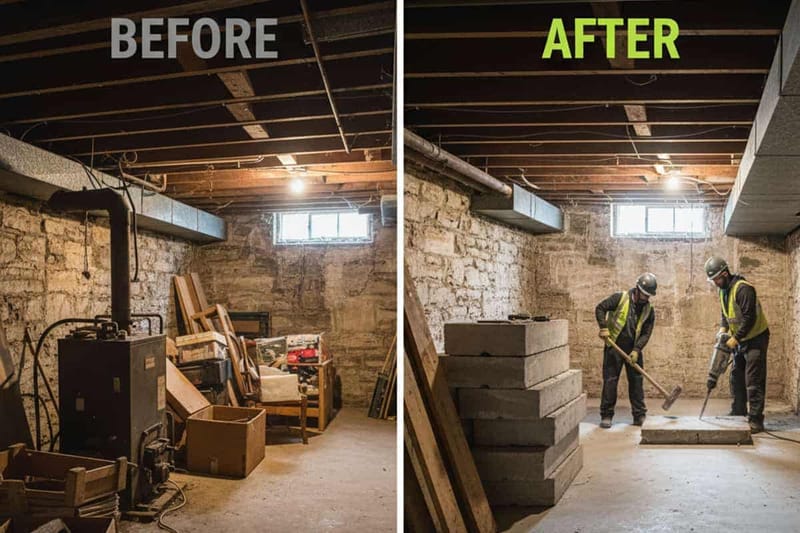
- Crawl space and basement ceiling insulation
- Rigid board and spray-applied material
- Contaminated material bagged and separated from the general debris stream
Pipe lagging is the one to stop for
Wrapped insulation on old heating pipes and boiler flues in pre-1987 buildings is a classic location for asbestos. It is friable, which means it releases fibre if it is disturbed. We do not pull suspect lagging to identify it. The material gets assessed, and if it is positive it goes to a licensed abatement route rather than being handled as insulation removal.
How insulation removal runs
The order matters more than the tools. This is the sequence for insulation removal.
Identify before disturbing
Wrapped pipe and boiler lagging in a pre-1987 building is a classic asbestos location and is friable. Suspect material is assessed, not pulled.
Seal the space off
The roof space or crawl is separated from the rest of the building before anything moves, and the route out is covered.
Bag at the point of removal
Material goes into bags where it sits rather than being carried loose through a living space. Contaminated material is separated as it comes out.
Clear and vacuum down
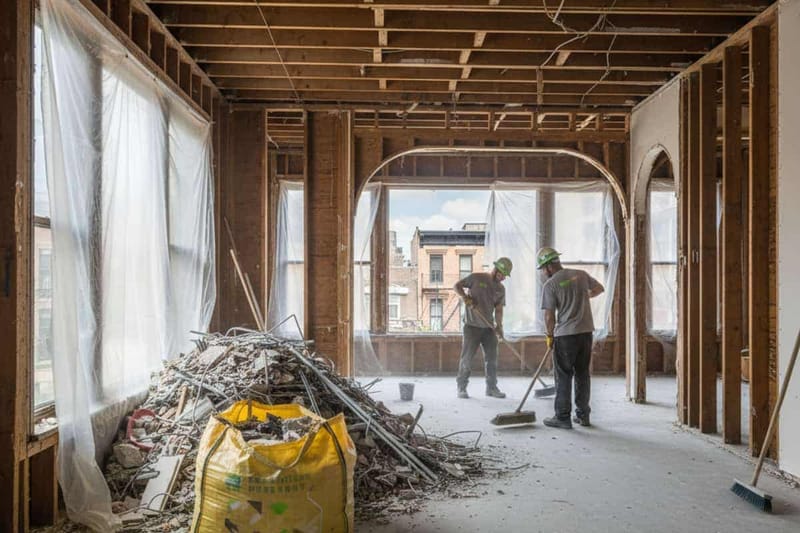
Residual debris removed so the space is left clean and dry for whoever insulates it next.
What moves the price on insulation removal
Every one of these moves the number, so you can see what a quote is actually responding to. Tell us the ones you already know when you call.
- Volume and the type of material
- Whether the space is enterable or has to be worked from below
- Contamination, which changes bagging and the disposal route
- Whether an assessment or abatement is triggered
- Access, since bagged loose-fill is bulky rather than heavy

Insulation removal: your questions
How do you stop fibres getting through the house?
The work area is sealed off from the rest of the building, material is bagged at the point of removal rather than carried loose, and the route out is covered. The aim is that nothing that comes out of the roof space travels through a living space unbagged.
What if there is rodent contamination?
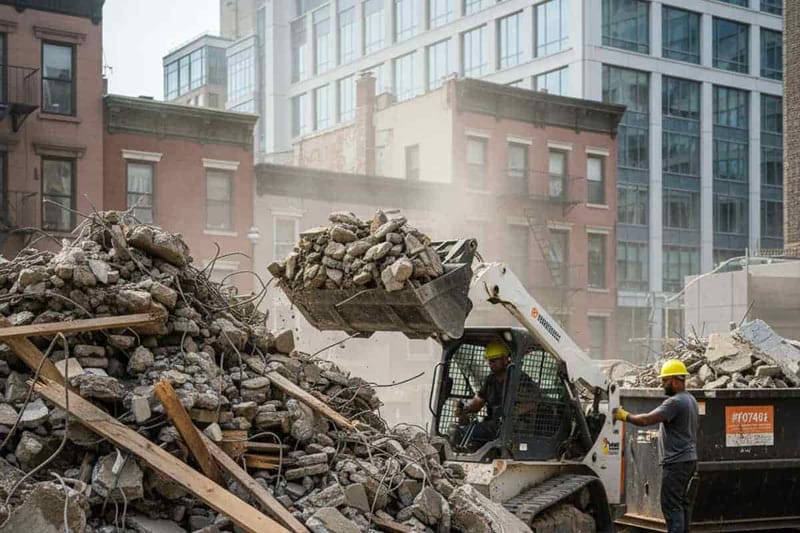
It is bagged and separated on site. Contaminated material does not go in a general C&D load, and we will tell you if what we are finding needs a specialist clean rather than just removal.
Can you insulate afterwards?
No. We remove and clear. Installing new insulation is a separate trade, and we would rather hand over a clean, dry, empty space for them than blur the two.
Related to insulation removal
-
-
-
-
-


Get a price for insulation removal
Call and describe the job. Most of the time we can scope it on the phone and confirm on site.
Seven days a week, 7am to 11pm. Emergency calls answered around the clock.
Send the details